Older homes tell Worcester’s story at a glance. On one block, you might see a formal Colonial Revival with a centered front door, then a porch-lined triple-decker, then a Victorian home with ornate trim and an irregular roofline. If you are buying, selling, or simply trying to understand what gives Worcester homes their character, knowing the major architectural styles can help you read listings more clearly and spot what may fit your goals best. Let’s dive in.
Why Worcester styles stand out
Worcester has an unusually old housing stock. City planning documents describe Worcester as having the eighth oldest housing stock in the United States, with about 59% of homes built before 1960 and fewer than 8% built in the last two decades.
That age shows up in everyday home searches. Instead of seeing one dominant style, you will often find a mix of Colonial Revival homes, Victorian-era houses, and triple-deckers across the city. For buyers, that means style is not just about curb appeal. It often hints at layout, maintenance needs, and how a home may function day to day.
Colonial Revival homes in Worcester
Colonial Revival is one of Worcester’s most prominent historic residential styles. City design guidelines identify it as especially common in the Massachusetts Avenue Historic District and also prominent in Montvale and Elm Park.
How to spot Colonial Revival
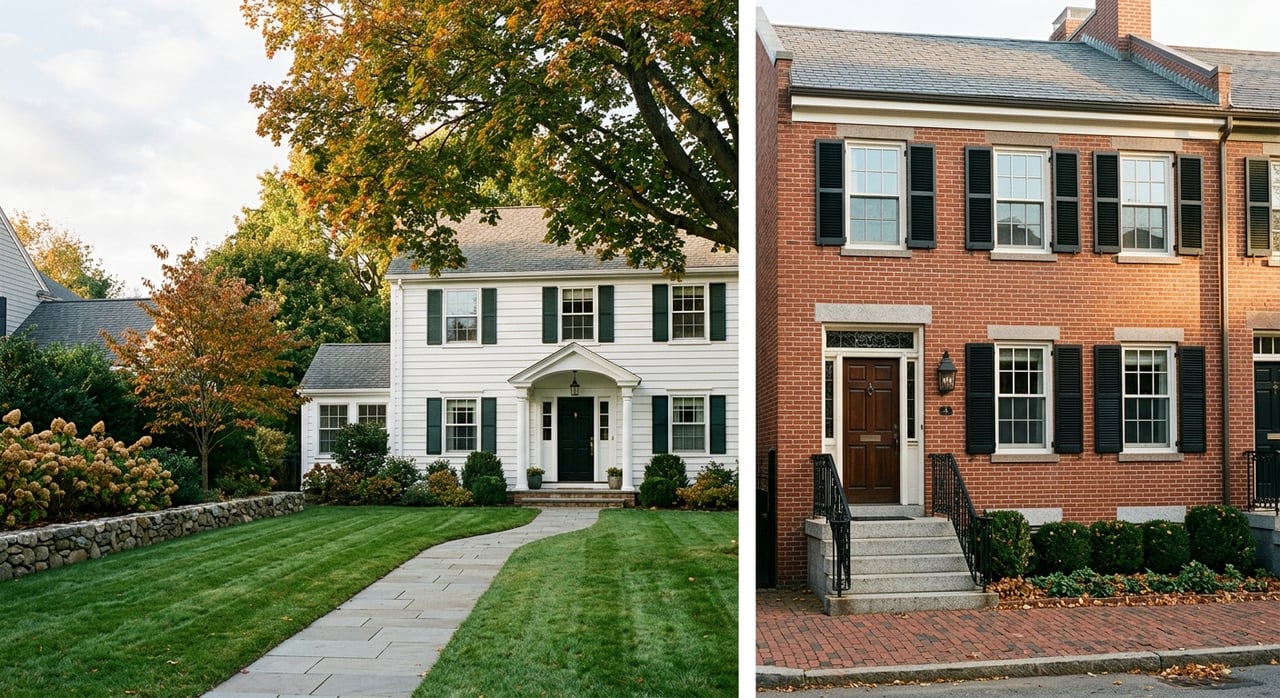
These homes usually emphasize symmetry and order. Common features include:
- Side-gable or hipped roofs
- Dormers
- Centered front entrances
- Double-hung windows
- Shutters
- Classical details like pilasters and pediments
If you are scanning listing photos, look for a balanced front façade and an entry that feels like the visual center of the house. In Worcester, that classic look appears in both modest and more substantial homes.
How Colonial Revival homes often feel inside
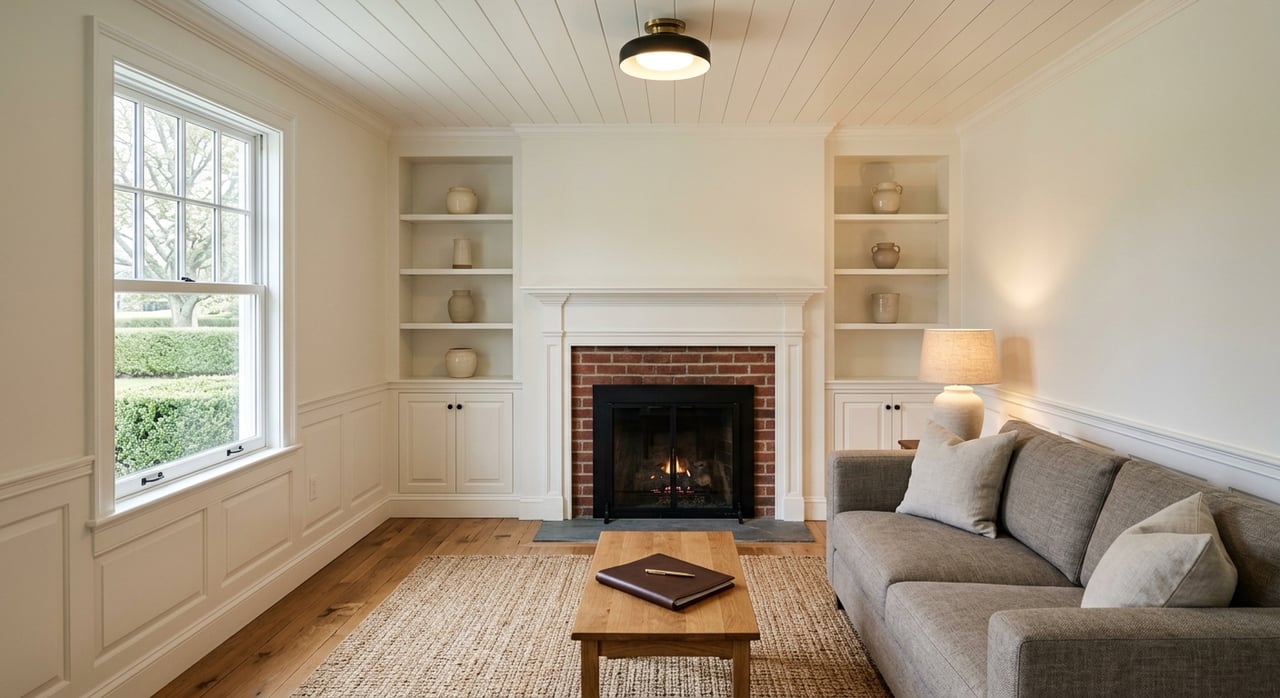
Because the style is built around symmetry and centered entry design, these homes often have a more traditional interior layout. In practical terms, that can mean more defined rooms and a more formal front-to-back flow than you would expect in newer open-concept construction.
For many buyers, that is a plus. If you like clear room separation, a familiar floor plan, and a classic New England feel, Colonial Revival homes may be a strong match.
Where you may see them
Worcester survey materials point to Massachusetts Avenue, Montvale, and Elm Park as key areas where Colonial Revival homes stand out. Montvale also includes Georgian-style Colonial Revival houses, showing how builders adapted older colonial ideas for early 20th-century streets.
That matters because not every “colonial” in Worcester is an early colonial home. Many are revival-era interpretations, which can offer classic curb appeal with details shaped by later building periods.
Triple-deckers and Worcester identity
If one building type is closely tied to Worcester, it is the triple-decker. City design guidelines describe the three-decker as an iconic multifamily building type, and they remain visible across the city today.
What makes a triple-decker
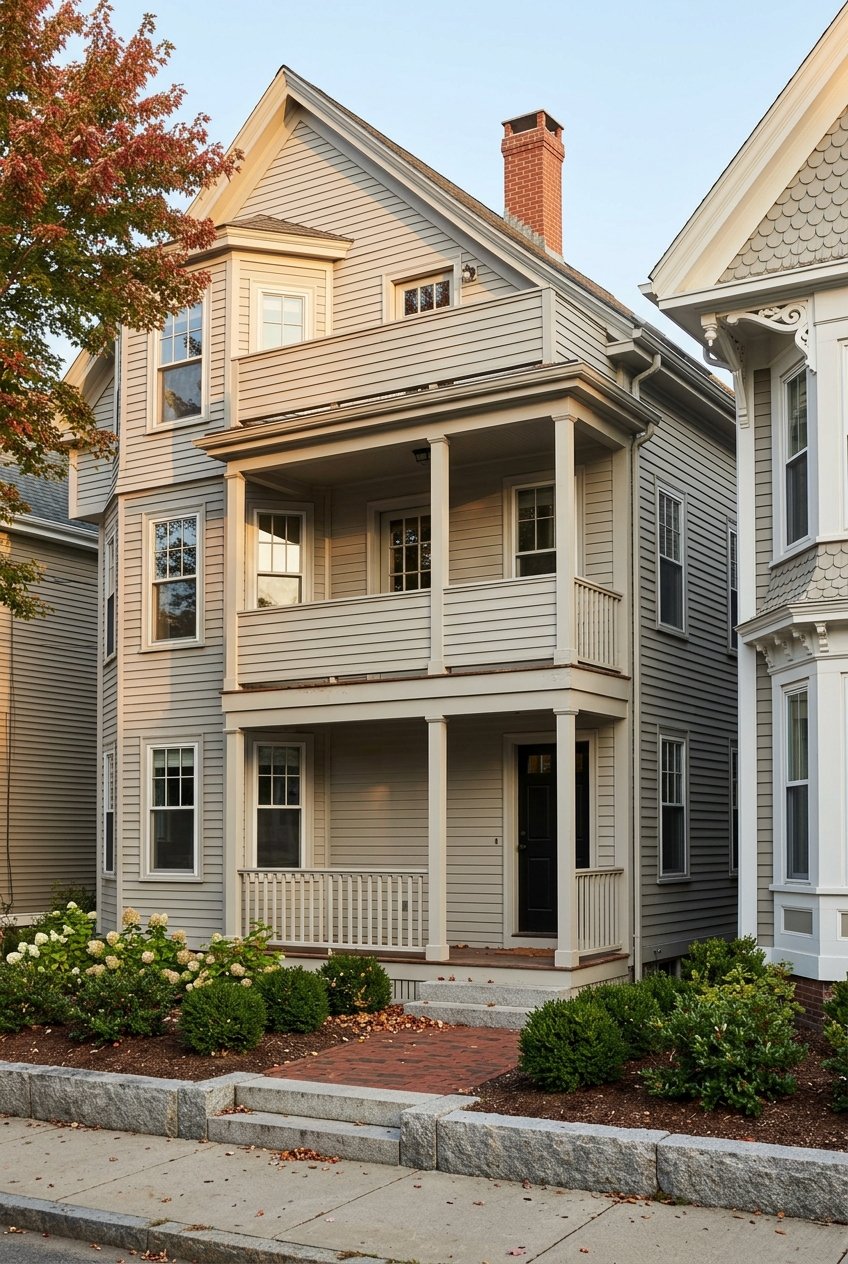
Triple-deckers are typically three-story apartment buildings with separate units on each floor. Common features include:
- A side-hall plan
- Three-tiered porches
- Three-tiered bays
- Hipped roofs
The city says they were first built in Worcester in the 1870s and were concentrated in industrial areas south and east of the central business district. They still shape many neighborhood streetscapes.
Why they matter to buyers and owners
Triple-deckers are different from a typical single-family home in both layout and ownership experience. They often mean vertical living, shared exterior structure, and porch-centered circulation rather than a suburban-style floor plan.
They can appeal to owner-occupants, investors, and landlords who want multi-unit flexibility. At the same time, Worcester’s housing planning materials note that many of these buildings are more than 100 years old and may have deferred maintenance, rehabilitation needs, code issues, and limited accessibility features.
That does not make them a bad fit. It simply means you should evaluate them with clear eyes. If you are considering a triple-decker, style should be only the starting point. Condition, stairs, upkeep, and permit history matter just as much.
Where triple-deckers are common
Main South is one of the clearest examples. Worcester neighborhood materials describe Main South as an area where Victorian structures coexist with traditional triple-deckers built for the workforce connected to nearby industrial facilities.
This mix helps explain why Worcester streets can feel so visually varied. A single block may combine owner-occupied houses, multifamily buildings, and several architectural periods at once.
Victorian-era homes and mixed styles
Worcester’s older neighborhoods are full of late 19th- and early 20th-century homes that do not always fit neatly into one simple label. City surveys show that areas like Montvale and Elm Park include Queen Anne, Stick Style, Shingle Style, Craftsman, Second Empire, Victorian Eclectic, and Colonial Revival homes, often side by side.
Common Victorian-era features
These homes tend to be more visually expressive than Colonial Revival houses. Depending on the subtype, you may see:
- Asymmetrical façades
- Wraparound porches
- Dormers or turrets
- Stained glass
- Tall narrow windows
- Bracketed eaves
- Mansard roofs on Second Empire homes
In Worcester, these details often survive on older blocks with strong architectural character. Survey materials also note original features such as slate roofs, copper flashing, decorative windows, stained glass, and varied porch details.
What Victorian homes may feel like inside
In general, Victorian-era homes often feel more irregular and ornate than later Colonial Revival homes. Layouts can be less predictable, staircases can be more prominent, and room shapes may vary more from one part of the house to another.
For some buyers, that character is the whole appeal. If you love unique details and do not mind a less standardized floor plan, these homes can be especially compelling.
Worcester neighborhoods with strong style patterns
Worcester does not organize itself by one uniform housing type. Still, city surveys and district materials show some clear style patterns that can help you narrow your search.
West Side and historic districts
Areas including Montvale, Massachusetts Avenue, and Elm Park contain many turn-of-the-century single-family homes in Colonial Revival and Victorian-era styles. Worcester’s current local historic district maps include Crown Hill, Elm Park Neighborhood, Massachusetts Avenue, and Montvale.
If you are drawn to architecture and historic streetscapes, these areas are worth understanding in more depth. The style variety can be a major draw, but district status can also affect what exterior changes require review.
Main South and multifamily character
Main South is often associated with a blend of Victorian structures and traditional triple-deckers. That combination reflects the neighborhood’s long connection to Worcester’s industrial growth and working housing patterns.
For buyers, this is a good reminder that architecture in Worcester is deeply tied to how the city developed over time. A home’s style is often part of a bigger neighborhood story.
How to read Worcester listings better
In Worcester, marketing language does not always tell you as much as the photos do. Because styles overlap and terminology can be broad, it helps to focus on visible details.
Look at these clues first
When reviewing a listing, pay close attention to:
- Roof shape
- Porch configuration
- Window rhythm
- Entry placement
- Overall symmetry or asymmetry
These features often reveal more about a Worcester home’s style and layout than a short listing description. In a city where colonials, triple-deckers, and Victorian-era homes can sit on the same street, visual reading is a practical skill.
Check public records before you assume
For Worcester properties, some of the most useful public sources include the city’s permit history, assessor or property records, and Massachusetts Cultural Resource Information System material surfaced through MassGIS.
These records can help you understand how a property has changed over time. They can also provide context if a home appears historic, altered, or subject to special review.
Historic district status matters
Before you buy an older Worcester home, it is smart to find out whether it sits in a local historic district. Worcester’s Historical Commission reviews exterior alterations in local historic districts and also administers the city’s demolition-delay ordinance.
This is an important distinction because not all historic designations work the same way. City materials note that National Register listing or Massachusetts Historical Commission inventory status is honorary and offers only minimal protection, while local historic district designation is more restrictive.
If you are thinking about future exterior updates, this is worth checking early. It can affect timelines, approvals, and what changes are possible.
Which style may fit your goals
Different Worcester home styles often suit different priorities. The right fit depends less on trend and more on how you want to live.
If you want a traditional single-family layout
Colonial Revival homes usually make the most sense for buyers who want symmetry, defined rooms, and a straightforward layout. They often feel familiar and functional, especially if you prefer separate living spaces over a wide-open floor plan.
If you want multi-unit flexibility
Triple-deckers may be a better fit if you are interested in owner-occupying, leasing, or investing in a multifamily property. Just remember that many are older buildings that may need more upkeep, rehabilitation, and attention to code or accessibility concerns.
If you want character first
Victorian homes often appeal to buyers who value architectural detail and do not mind a more irregular layout. They can offer memorable curb appeal and original features, but they may also come with more exterior maintenance and more complex living patterns.
Worcester architecture is one of the city’s biggest strengths. When you understand the difference between a Colonial Revival, a triple-decker, and a Victorian-era home, you can move through listings with more confidence and ask smarter questions before you fall in love with a property. If you want help sorting through Worcester homes by style, layout, and practical fit, reach out to Christina Liberty-Grimm for a personalized conversation.
FAQs
What architectural styles are most common around Worcester, MA homes?
- Worcester homes commonly include Colonial Revival houses, Victorian-era homes, and triple-deckers, with many neighborhoods showing a mix of styles from the late 19th and early 20th centuries.
What is a triple-decker in Worcester real estate?
- A Worcester triple-decker is typically a three-story multifamily building with one unit per floor, often featuring side-hall layouts, stacked porches, stacked bays, and a hipped roof.
Where can you find Colonial Revival homes in Worcester?
- Worcester design and survey materials identify Massachusetts Avenue, Montvale, and Elm Park as areas where Colonial Revival homes are especially prominent.
What should you check before buying a historic Worcester home?
- You should review permit history, assessor or property records, and whether the home is located in a local historic district, since local district status can affect exterior changes.
How can listing photos help identify Worcester home styles?
- Listing photos can reveal roof shape, porch design, window pattern, symmetry, and entry placement, which often provide better clues to style and layout than marketing descriptions alone.