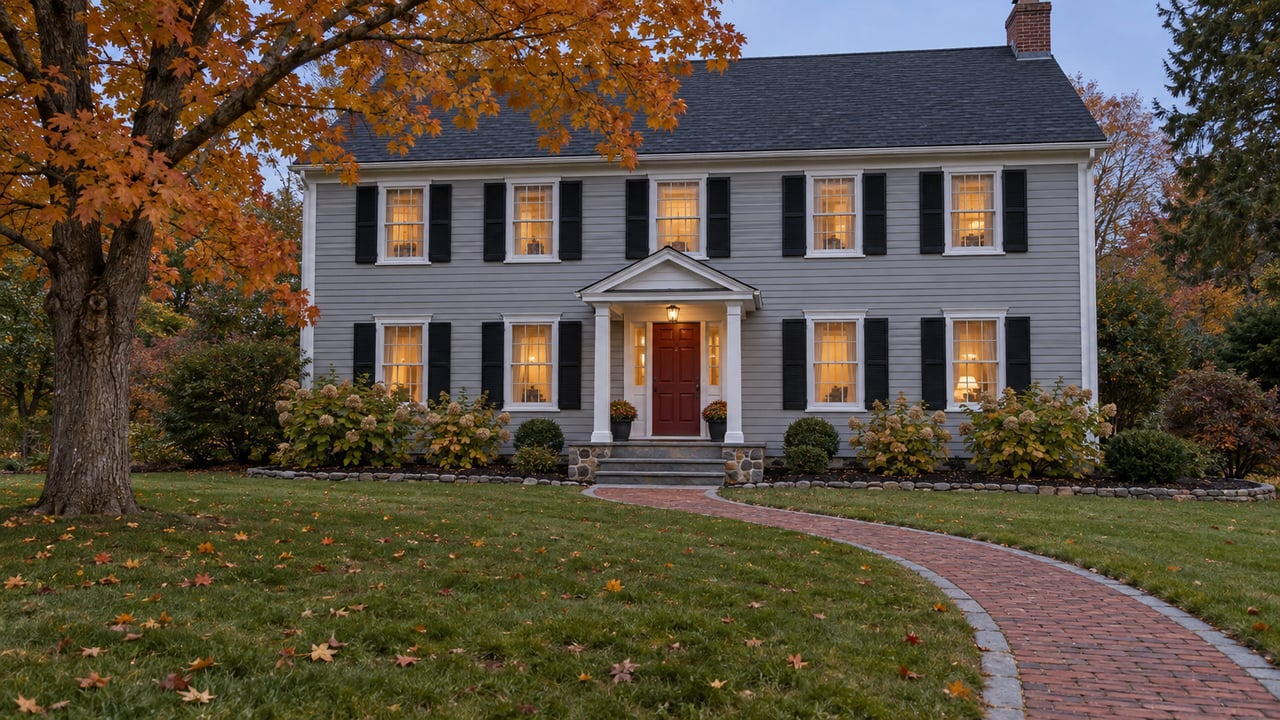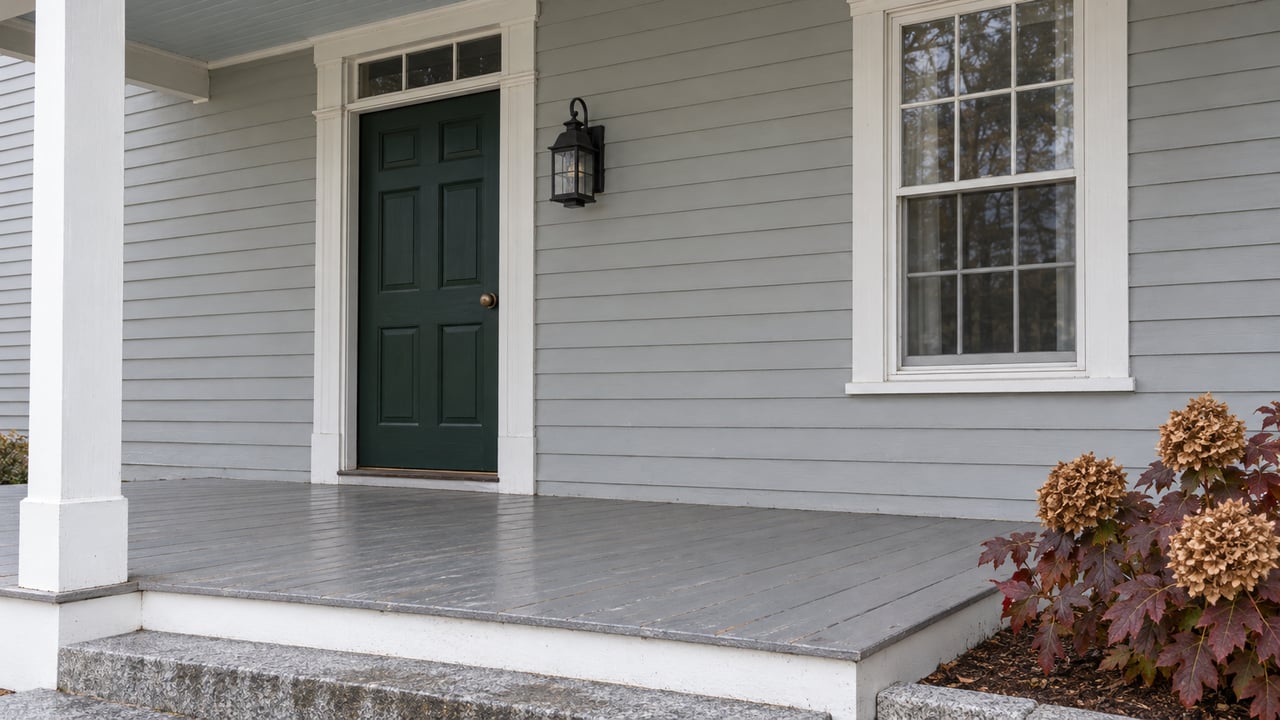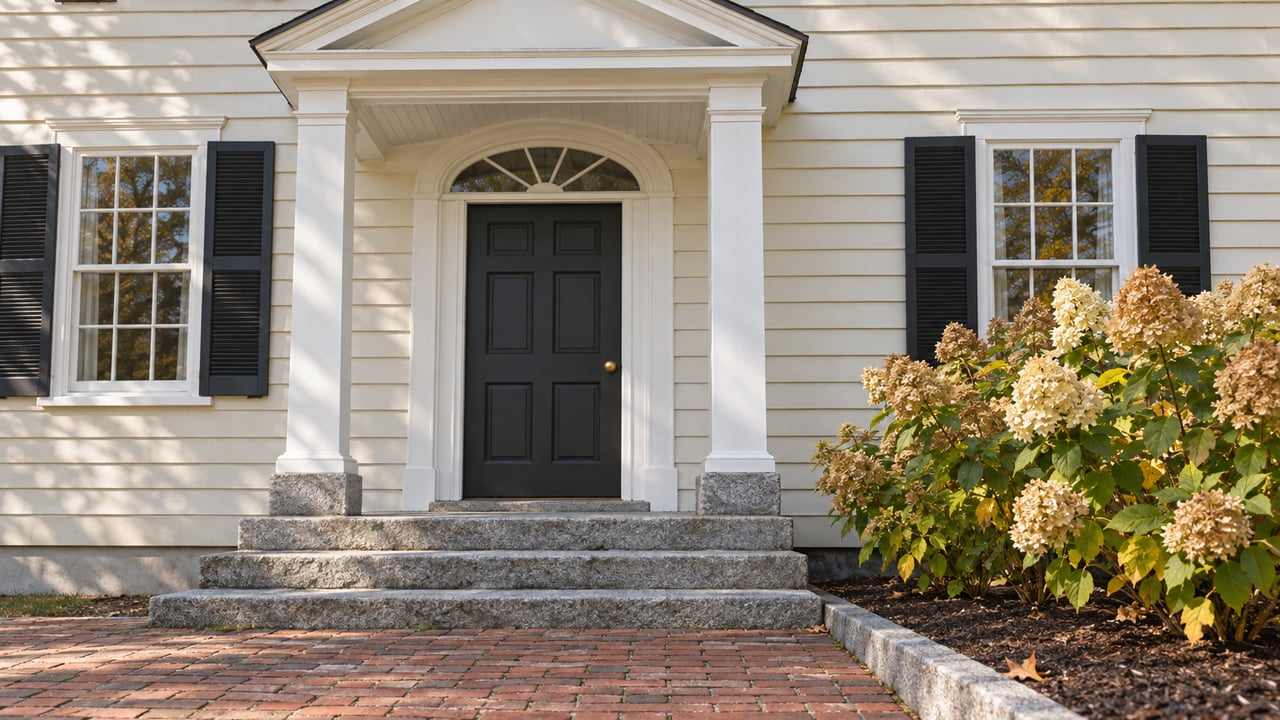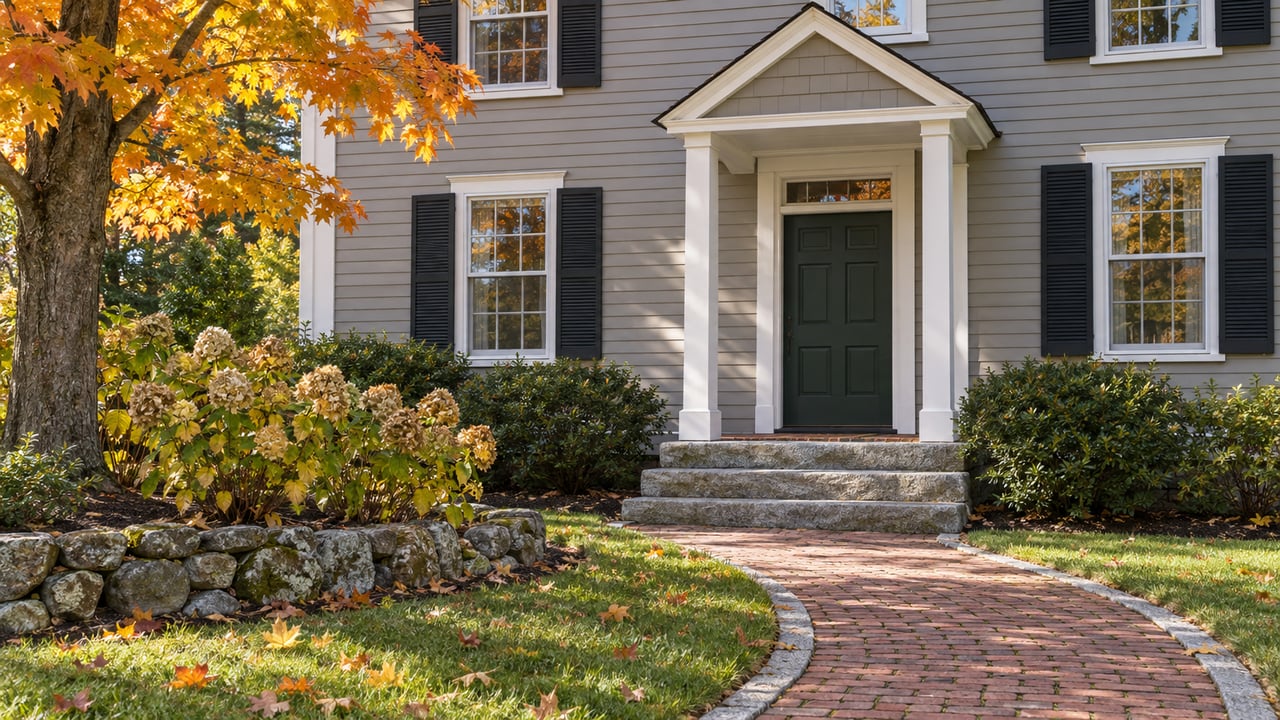
Trying to decide between a brand-new home and a resale home in Hopkinton? You are not alone. In a town where home prices are high, inventory can feel limited, and many buyers want both convenience and long-term value, this choice can shape your budget, timeline, and stress level. The good news is that each path has real advantages, and the right fit depends on how you want to live, move, and plan ahead. Let’s break it down.
Hopkinton market basics
Hopkinton is a largely owner-occupied suburban town with a lower-density housing pattern shaped in part by local zoning and larger lot requirements in some districts. The U.S. Census Bureau estimates an 86.7% owner-occupied housing unit rate, with a median owner-occupied home value of $802,700 in 2020 to 2024 data.
More recent listing and sales snapshots show a market that remains expensive and fairly fast-moving. Realtor.com reported a median listing price of about $1.1675 million and 56 active listings in May 2026, while Redfin reported a median sale price of $899,462 over the three months ending May 2026. Those figures use different methods, so the exact number matters less than the bigger takeaway: Hopkinton is still a high-price market.
Market temperature depends on which data source you read, but the pace is still notable. Realtor.com described Hopkinton as a buyer’s market with a median 22 days on market, while Redfin called it very competitive and reported homes selling in about 20 days. For you, that means it is smart to stay prepared whether you are leaning toward new construction or resale.
What new construction offers
New construction in Hopkinton can be appealing if you want a cleaner starting point and some control over finishes. Realtor.com shows 26 new-construction homes for sale in Hopkinton, with a median listing price of $1,179,900 and an average of 31 days on market.
That pricing puts many new builds in a similar range to the broader local market rather than in a completely separate tier. If you are comparing options, that means the decision may come down less to headline price and more to lifestyle, timing, and future maintenance.
More choice from the start
One of the biggest benefits of new construction is the chance to personalize parts of the home before you move in. Production builders often offer choices for appliances, countertops, flooring, cabinetry, and some fixtures, even if the home is not fully custom.
If you have strong preferences and want a home that feels more tailored to you on day one, that can be a major advantage. Instead of planning updates after closing, you may be able to make many design decisions upfront.
Potentially fewer early repairs
A new home can reduce the chance of facing immediate wear-and-tear issues that sometimes come with an older property. For buyers who want more predictability in the first few years, that newer starting point can feel reassuring.
That said, new does not mean worry-free. Home inspections still matter, and a brand-new home should not be treated as automatically problem-free just because no one has lived there yet.
Timing can be less predictable
This is where many buyers need to pause and look closely. If the home is not finished, the builder may require an upfront builder deposit, and you should understand the terms for when that deposit can be returned.
Your closing date may also depend on permits, inspection approvals, weather, subcontractor schedules, and utility coordination. Massachusetts building guidance makes clear that required inspections are identified during the permit process, and work cannot simply move forward unchecked. On paper, a new build can look simple. In real life, the timeline can shift.
New homes still need due diligence
It is easy to assume a new home means no inspection, no testing, and no surprises. That is not the case. Inspections remain important, and even a new home can benefit from additional checks depending on the property.
For example, the EPA notes that builders can use radon-resistant construction techniques, but all homes should still be tested for radon. If your goal is peace of mind, not just a new address, due diligence still belongs in the plan.
What resale homes offer
Resale homes are often the better fit when you want a property that is complete, visible, and potentially available on a faster timeline. In a built-out town like Hopkinton, resale can also give you more options in established parts of town where the street layout, lot placement, and surrounding homes are already in place.
That kind of certainty matters. You can see the lot, evaluate the layout, observe traffic patterns, and understand the property as it exists today rather than imagining how a finished product will turn out.
Faster move-in potential
If your move has a deadline, resale may give you a clearer path. Because the home is already built, there are fewer construction variables that could delay closing.
That can be especially helpful if you are relocating, coordinating a sale and purchase, or trying to avoid temporary housing. In a market where homes can still move quickly, having a ready-to-go option may make the process feel more manageable.
More established setting
Many buyers like resale because the surroundings are easier to judge. In Hopkinton, where access and traffic can vary by area, that matters. MassDOT notes that the I-495/I-90 interchange carries more than 100,000 vehicles a day and is undergoing safety and operational improvements, so location within town can affect your day-to-day experience.
With a resale home, you can better evaluate commute routes, road activity, and the feel of the immediate area before you close. That kind of real-world context can be hard to match with a home still under construction.
More condition risk
The tradeoff with resale is that age and prior use can bring hidden issues. Massachusetts home inspections are visual and limited, which means they are helpful but not a guarantee.
The state now protects buyers by prohibiting sellers of most residential one- to four-unit properties from conditioning acceptance on an inspection waiver. That is an important safeguard, but you should still plan to inspect a resale home carefully and use that information to understand likely repair needs.
Older homes may need extra review
Some resale homes come with added due diligence items based on age and systems. In Massachusetts, homes built before 1978 may contain lead, and the state requires lead-paint notification in those sales.
There are also transaction-related requirements that can come into play. For example, the sale of a one- or two-family home requires a smoke and carbon monoxide certificate of compliance from the local fire department. These are manageable items, but they are part of the real picture when you compare resale to new construction.
Hopkinton systems to check closely
In Hopkinton, private systems can make a big difference in your decision. The town’s 2023 annual report says about 65% of the town is served by municipal water and about 40% by municipal sewer. That means many properties may still rely on private wells, septic systems, or both.
This matters whether you buy new construction or resale, but it often becomes especially important with resale properties in areas without full municipal service. You do not want to focus only on square footage and finishes while overlooking major ownership costs.
Septic inspections matter
MassDEP says septic systems should be inspected when a home is bought or sold and generally pumped at least every three years. If a property has a private septic system, that inspection is not just a box to check. It is a key part of understanding your near-term costs and responsibilities.
A home can look great inside and still need expensive septic work. That is why comparing homes by list price alone can be misleading.
Well water testing matters too
MassDEP recommends testing private-well water before purchase and at least annually. If a home uses a private well, water quality and system condition should be part of your decision-making process from the beginning.
For some buyers, a private system is perfectly fine once they understand the maintenance. For others, municipal service may feel simpler and more predictable. Neither choice is automatically better, but it should be an informed one.
How to compare the real cost
When you are choosing between new construction and resale in Hopkinton, the asking price is only the starting point. A better comparison looks at the total cost of ownership over the first one to five years.
That includes items like builder deposits, inspection findings, possible repairs, radon testing, septic work, well testing, and age-related maintenance. A home that looks cheaper at first glance can become more expensive if major system work shows up early.
Here are a few questions worth asking as you compare homes:
- How quickly do you need to move?
- How important are updated finishes versus an established setting?
- Are you comfortable with possible construction delays?
- Does the property use municipal water and sewer, or private systems?
- What inspections or tests should be part of your offer process?
- What repairs or maintenance are likely in the first few years?
Which option fits you best?
If you value personalization, a newer starting point, and potentially fewer early repairs, new construction may be the better match. It can work especially well if your timeline is flexible and you are comfortable navigating builder schedules and deposits.
If you value speed, visible condition, and the ability to judge a finished property and its surroundings before closing, resale may be the stronger choice. It can be a smart path if you want more certainty about what you are buying and when you can move in.
In Hopkinton, this decision is especially local. Limited new-construction inventory, large-lot suburban development patterns, and the presence of private wells and septic systems in some areas all shape the tradeoff in ways that buyers should take seriously.
The best next step is not to chase a perfect label like new or resale. It is to compare each home based on your timeline, comfort with maintenance, and total ownership costs. If you want a calm, organized plan for sorting through your options in Hopkinton, Christina Liberty-Grimm can help you make a confident move.
FAQs
Should you choose new construction or resale in Hopkinton based on price alone?
- No. In Hopkinton, list price is only part of the picture. You should also compare builder deposits, inspection findings, possible repairs, radon testing, and private well or septic costs when relevant.
What should you know about new construction timelines in Hopkinton?
- New construction timelines can shift based on permits, inspection approvals, weather, subcontractor schedules, and utilities. If the home is not complete, your closing date may be less predictable than with a resale home.
What should you inspect when buying a resale home in Hopkinton?
- You should plan for a home inspection, and you may also need to evaluate items like lead-paint notification for pre-1978 homes, smoke and carbon monoxide compliance, septic inspection, well water testing, and radon testing depending on the property.
Why do septic and well systems matter for Hopkinton homebuyers?
- Hopkinton is not fully served by municipal water and sewer, so many homes may rely on private systems. That can affect maintenance, testing, and your total cost of ownership.
Is new construction in Hopkinton maintenance-free?
- No. A new home may reduce some early repair risk, but it still needs proper due diligence. Inspections remain important, and testing for issues like radon should still be considered.
How competitive is the Hopkinton real estate market for buyers?
- Market reports differ, but the consistent takeaway is that Hopkinton remains a high-price, relatively fast-moving market. Buyers should stay prepared whether they pursue new construction or resale.