Thinking about moving to Worcester, MA, but not sure what daily life actually feels like? You want a place with character, practical amenities, and options that fit your budget and commute. Worcester offers a mix of historic homes, a growing cultural scene, and solid transportation choices that make it a realistic alternative to pricier Boston-area markets. In this guide, you’ll get a clear picture of housing, neighborhoods, commuting, and the lifestyle you can expect. Let’s dive in.
Why Worcester stands out
Worcester is New England’s second-largest city with a population of about 206,518. The city blends its manufacturing legacy with a modern economy led by healthcare, higher education, and public administration. Major colleges like WPI, Clark University, the College of the Holy Cross, Worcester State, and Assumption shape local neighborhoods and fuel arts and cultural events. You’ll find a diverse community, ongoing downtown redevelopment, and a food scene that reflects the city’s international roots.
Housing at a glance
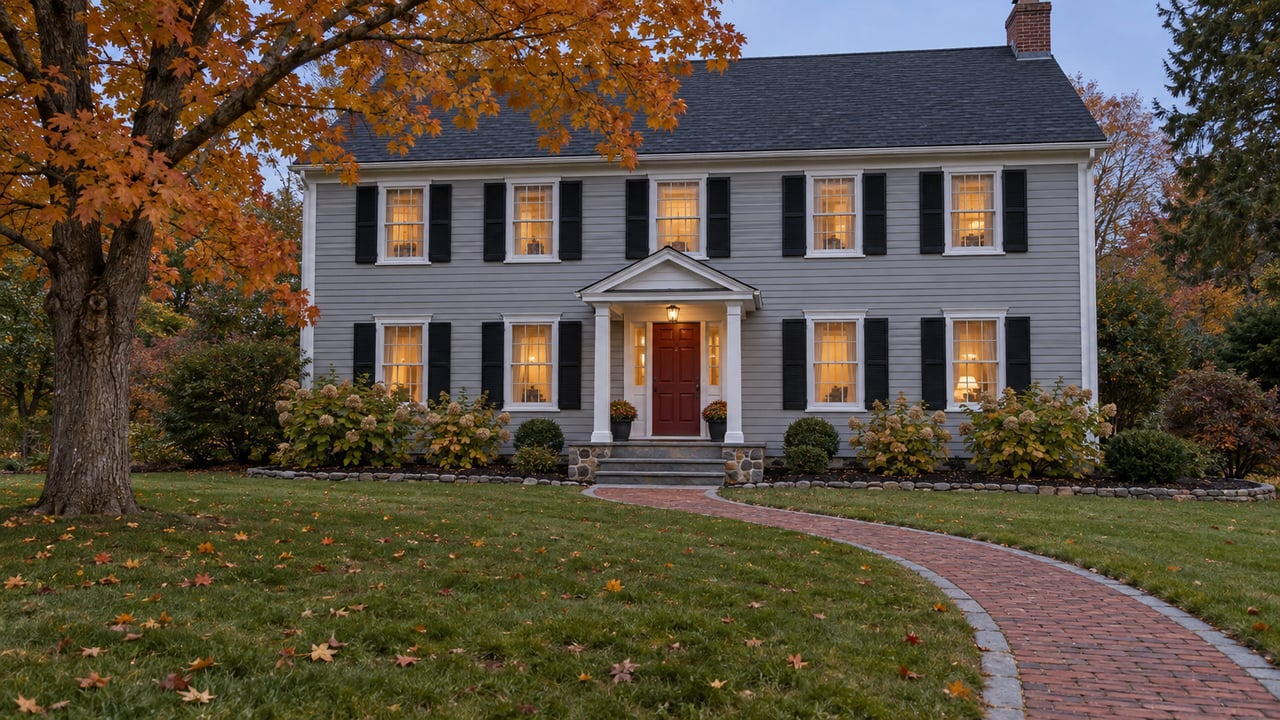
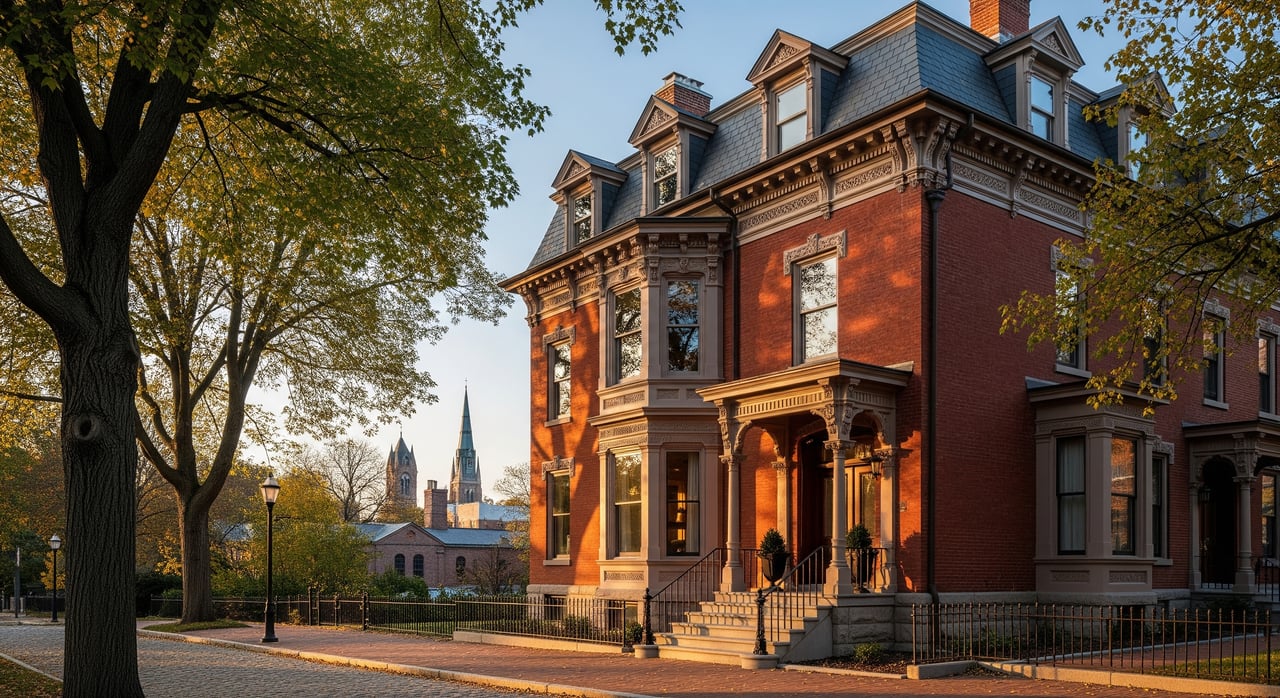
You have a wide range of housing choices. Triple-decker multi-family homes and Victorian-era single-family houses line many established neighborhoods near the center. In the Canal District and downtown, renovated mill buildings now offer lofts and condos. Western and southwestern areas, including the West Side and Tatnuck, lean toward single-family homes with larger lots.
Compared with Boston and some inner suburbs, Worcester is generally more affordable. Prices and rents vary by neighborhood and property type, so it pays to be specific about location and condition. If you are searching for a condo in a walkable area, start downtown or near Shrewsbury Street. If yard space and a quieter street are priorities, explore the West Side or Tatnuck.
Neighborhood snapshots
Downtown and Canal District
If you want energy and convenience, focus here. You’ll see a growing mix of condos, apartments, dining, and entertainment. The Canal District’s adaptive reuse of mill buildings has created loft-style homes that appeal to buyers who value character and proximity to venues. You’re also close to Union Station, which makes Boston commutes straightforward by commuter rail.
Shrewsbury Street corridor
Known for restaurants and cafes, Shrewsbury Street offers a social, walkable experience. Housing nearby ranges from apartments to smaller multi-family homes and condos. You can live within a short walk of dining and coffee shops while staying near downtown and major roads. If you like a lively dining corridor with quick access to services, this area is worth a look.
West Side and Tatnuck
These western neighborhoods feature more single-family homes and tree-lined streets. Lots tend to be larger than in central neighborhoods, and housing stock includes older colonials and mid-century homes. Daily life here feels residential, with parks and local businesses close by. For buyers who want space and a quieter setting, this side of the city often fits the bill.
Main South and college areas
Closer to Clark University and other institutions, you will find a higher concentration of rentals and student housing. Housing types include triple-deckers and smaller apartment buildings mixed with single-family homes. The student presence supports local eateries and cultural programming throughout the year. If you want an academic vibe and access to campus events, these blocks may work for you.
Vernon Hill and East Side
The East Side shows a mix of multi-family and single-family properties, with character that varies street by street. Vernon Hill provides hilltop views in some spots and proximity to Route 290 for commuting. You will find older homes, some with updates, and a range of price points. If you are balancing budget and convenience, this area can offer options to compare.
Getting around
By car
Worcester sits near I-290 with quick access to I-90 via nearby connections, plus Route 9 and Route 20 for east–west travel. Driving to Boston can range from about 45 minutes to more than 75 minutes, depending on traffic and destination. Daily patterns and weather matter, so plan extra time during rush hours or winter storms. Parking rules downtown can change around events, so check signage.
Commuter rail
The MBTA’s Framingham/Worcester Line connects Union Station to South Station in Boston. Scheduled trips typically run around 45 to 50 minutes, depending on the train. If you prefer to avoid highway traffic, the rail is a reliable option for office days. Consider pass costs and parking availability when comparing to driving.
Local transit
The Worcester Regional Transit Authority operates bus routes and paratransit within the city and nearby suburbs. Frequency varies by route, and service levels shape how easy it is to rely on buses for daily errands. If you plan to use public transit, review routes near your target neighborhood. This can help you decide how car-dependent your lifestyle will be.
Airports and travel
Worcester Regional Airport offers limited commercial service and general aviation. For broader options, Boston Logan is the region’s major international hub. Depending on traffic, plan roughly an hour by car to Logan. If you travel often, consider proximity to highways or commuter rail when choosing a neighborhood.
Walk and bike
Walkability varies across the city. Central districts and Shrewsbury Street tend to be the most walkable, while residential areas have a quieter, more car-oriented feel. Worcester maintains greenways and local trails, and regional systems like the Blackstone River Valley are within reach for longer rides. If you value walking or biking for errands, test your routes during a home search.
Schools and learning
Worcester Public Schools serves the city, and offerings vary by school. Many families review state education data and visit schools when weighing a move. Private and parochial options are available, as you would expect in a city with multiple colleges. Higher education institutions contribute to local lectures, performances, and sports that you can enjoy year-round.
Healthcare and services
Healthcare access is a local strength. UMass Memorial Health and other hospitals anchor a large network of clinics and specialty providers. Seniors and families will find nursing, assisted living, and outpatient services in the city and nearby towns. If healthcare access is a priority, living near major facilities can simplify appointments and daily support.
Shopping and daily essentials
You’ll find national grocery chains, regional favorites, and independent markets across Worcester. Specialty shops, international markets, and local farmers’ markets add variety to weekly routines. Big-box retailers sit along major corridors, so you can combine errands in one trip. If you prefer walkable grocery options, focus on central neighborhoods and plan your routes.
Culture, parks, and play
Worcester’s cultural calendar is active. The Worcester Art Museum, the Hanover Theatre for the Performing Arts, and the DCU Center host exhibitions, touring shows, concerts, and community events. The EcoTarium offers indoor and outdoor science exhibits that are great for all ages. Live music, microbreweries, and independent coffee shops round out the scene.
Parks are part of daily life here. Green Hill Park provides wide-open recreation, while Elm Park and Worcester Common are go-to spots for walks and neighborhood events. Regional outdoor access is strong, with reservoirs and state parkland a short drive away. Whether you like youth sports, adult leagues, or quiet trails, you will find options that fit your routine.
Seasons and weather
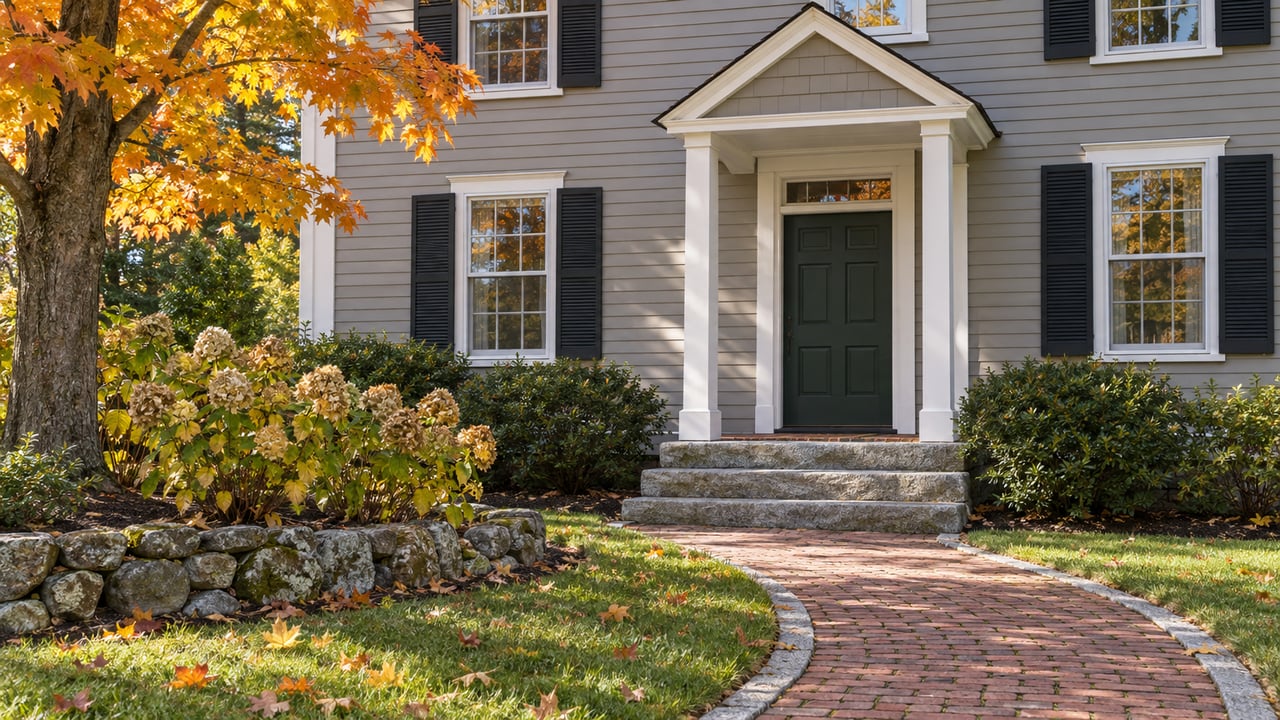
Worcester has four distinct seasons. Winters are cold and snowy, so snow removal and winter commuting are part of the routine. Spring arrives with a burst of events, and summers bring warm, humid days that favor parks and outdoor dining. Fall foliage is a regional highlight and a reminder that seasonal maintenance is important for Worcester’s older homes.
Costs, taxes, and homebuying tips
Compared with Boston and inner-ring suburbs, Worcester is often more affordable, though costs are higher than many rural areas. Property taxes, insurance, and utilities depend on municipal rules, so request current tax rates and estimates when you evaluate a home. Because many properties are older, schedule thorough inspections, including heating, electrical, and potential historic considerations. For condos and multi-families, review association fees, rules, rental policies, and local zoning.
If you plan to rent first, timing matters. The rental market can tighten around academic turn-over periods, especially near colleges and downtown. When you are ready to buy, neighborhood-level insight is key because averages can hide wide variation in prices and condition. Touring at different times of day and talking with local residents can help you understand noise patterns, parking, and traffic.
Is Worcester right for you?
If you want urban character, varied housing choices, and reasonable access to Boston, Worcester belongs on your short list. You can choose a lively, walkable area near dining and arts or a quieter neighborhood with more space. With strong healthcare, higher education, and growing cultural amenities, the city supports a wide range of lifestyles. The right fit comes down to your preferred neighborhood, commute, and daily routines.
Ready to explore homes that match your goals? Connect with Christina Liberty-Grimm for a hospitality-first, data-informed plan that makes your move feel organized and predictable.
FAQs
What is the cost of living in Worcester compared to Boston?
- Worcester is generally more affordable than Boston and many inner suburbs, though exact costs vary by neighborhood, housing type, and property condition.
What types of homes are common in Worcester?
- You’ll see triple-decker multi-family homes, Victorian-era single-family houses, small apartment buildings, and newer lofts or condos in renovated mills.
How long is the commute from Worcester to Boston?
- By commuter rail from Union Station to South Station, scheduled trips typically run around 45 to 50 minutes. Driving often ranges from 45 to 75 minutes or more.
Which Worcester neighborhoods are most walkable for dining?
- Downtown, the Canal District, and the Shrewsbury Street corridor offer the best access to restaurants, cafes, and entertainment within walking distance.
What are the schools like in Worcester?
- Worcester Public Schools serves the city, and offerings vary by school. Many families review official data and visit schools firsthand during a home search.
Are there strong healthcare options in Worcester?
- Yes. UMass Memorial Health and other local providers offer hospitals, clinics, and specialty care, plus senior services in the city and nearby communities.
What is winter like in Worcester?
- Winters are cold and snowy. Plan for snow removal, winter driving, and seasonal home maintenance, especially if you are considering older properties.