Craving more space, a quieter street, and easy access to trails without losing reach to Boston? If you are thinking about trading city life for a MetroWest town, Hopkinton often rises to the top. You want a clear picture of commute options, housing styles, schools, and how daily life actually feels. This guide breaks it down and gives you a practical plan to explore the area with confidence. Let’s dive in.
Why Hopkinton appeals to Boston movers
Hopkinton offers a suburban, small-town feel with more single-family homes and larger lots than you will find in most Boston neighborhoods. You will find a compact downtown, quiet subdivisions, and plenty of conservation land. The tradeoff is more driving for errands and a commute that often combines car and rail.
The town is known as the starting point for the Boston Marathon and has a strong community calendar. You will have quick access to outdoor recreation, youth sports, and town programs, with regional shopping and culture a short drive away in Framingham and Natick.
Housing in Hopkinton: what to expect
Home types and neighborhoods
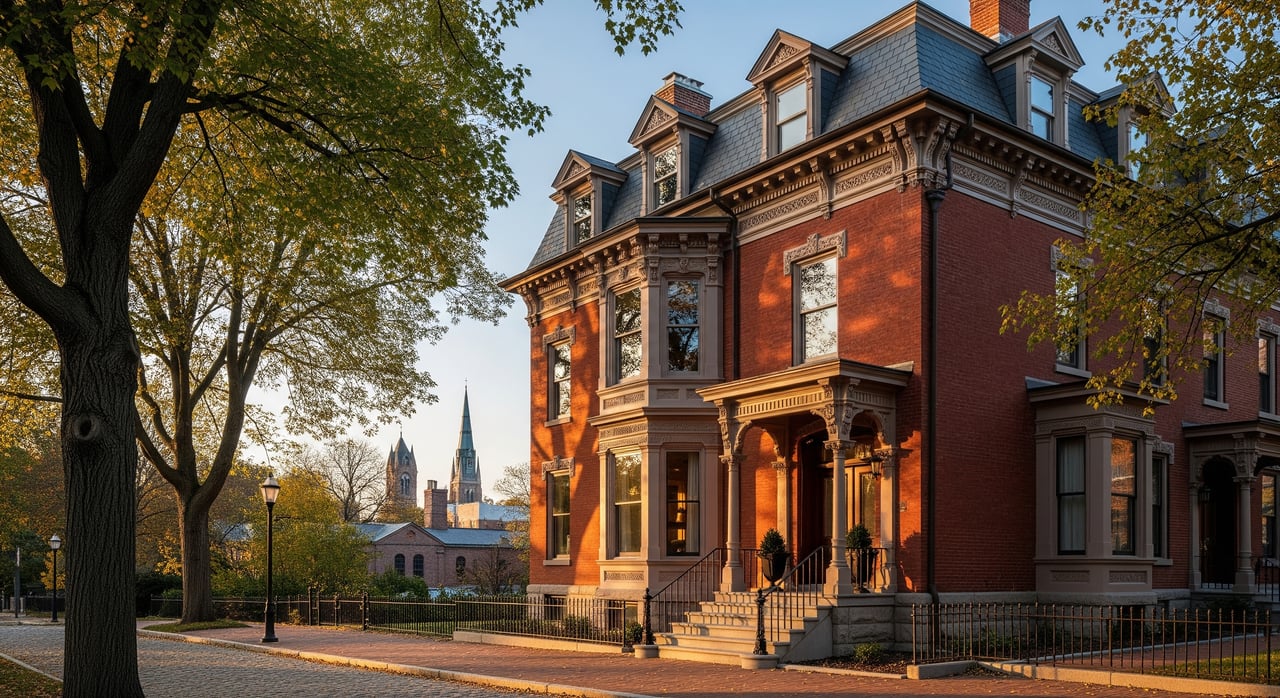
- Downtown and Village area: Historic homes, sidewalks, smaller lots, and walkable access to shops and services.
- Newer subdivisions: Cul-de-sacs, modern floor plans, and family-friendly layouts built from the 1990s onward.
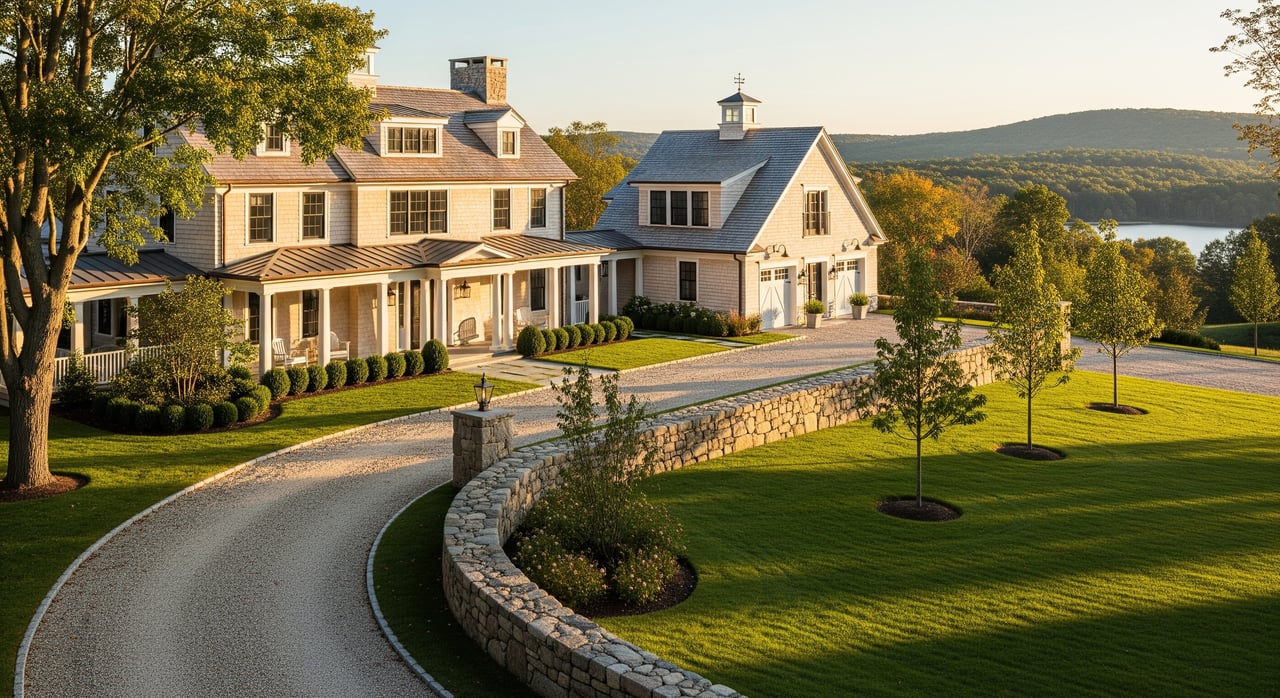
- Outlying and rural sections: Larger, wooded lots and a more private, semirural setting.
Typical priorities for buyers include access to the public school district, commute time, lot size, and proximity to parks and trails.
Market context and costs
Hopkinton pricing sits in the mid-to-upper range for MetroWest. It is usually lower than the highest priced inner suburbs close to Route 128, and often higher than more distant exurban towns. Inventory can be tight, and new construction varies by season.
Ownership costs go beyond your mortgage. Consider property taxes, utilities, and yard maintenance. Use the town’s resources to review local tax rates and records on the Town of Hopkinton website.
Practical home-shopping tips
- Decide how much yard you truly want to maintain, since lots are larger than in Boston.
- Ask about the age of major systems and any HOA rules in newer developments.
- If remote work is important, test cell coverage and internet speeds at the address.
- For older homes near the center, budget for updates and review inspection history.
Commute and transportation
Driving
Hopkinton sits near the Massachusetts Turnpike, with regional access to I-90 via nearby interchanges and to I-495 for north-south travel. Rush-hour drives into Boston can range from about 30 minutes to well over an hour depending on your exact destination and timing. Check traffic patterns during your typical commute window using live maps, and review highway information through MassDOT.
Commuter rail
Many residents drive 10 to 25 minutes to a station on the MBTA Framingham/Worcester Line, then ride into Back Bay or South Station. Common station choices include Southborough, Ashland, and Framingham. Rail travel time into Boston typically ranges from about 30 to 60 minutes depending on the train. Review the latest schedules and station info on the MBTA Framingham/Worcester Line.
Local transit connections
The MetroWest Regional Transit Authority offers local routes and shuttles that can connect you to nearby employment centers and some rail stations. Explore current routes and schedules on the MWRTA website.
How to test your real commute
- Map door-to-door travel from specific listings to your workplace at rush hour.
- If rail is an option, time the drive to your preferred station and check parking by arriving during peak hours.
- Try a full test run in both directions to see variability across days.
Schools, childcare, and enrichment
Hopkinton Public Schools are generally regarded as strong within Massachusetts. For neutral comparisons on performance, programming, and enrollment, review district and school pages through the Massachusetts DESE profiles. If schools are a top priority, plan a visit or outreach to the district for the most current information.
Childcare and preschool slots in suburban towns can fill quickly. Start exploring waitlists early if you will need care shortly after moving.
Parks, healthcare, and daily life
Outdoor recreation
Hopkinton State Park is a major draw for hiking, paddling, and beach access. You will also find town conservation lands and trails for local biking and walks. Learn about facilities and seasonal hours through the Hopkinton State Park page.
Healthcare access
For routine and urgent care, residents use a mix of local practices and regional hospitals. Nearby options include MetroWest Medical Center in Framingham, with larger Boston hospitals reachable by car as needed.
Shopping, dining, and services
The downtown village features restaurants and small businesses, while most larger errands are a short drive. Big-box retail, grocery stores, and malls cluster in Framingham and Natick. To get a feel for local business activity and events, explore the Hopkinton Chamber of Commerce.
Choose your neighborhood: a simple framework
Use this quick set of categories to compare areas and listings:
- Commute needs: Required daily rail access, comfortable driving time, or flexible hybrid schedule.
- Budget and total cost: Purchase price, estimated taxes, utilities, and yard care.
- Schools: Public district fit or private options, plus extracurricular priorities.
- Lot and home: Minimum lot size, beds and baths, age of home, and finishes.
- Lifestyle: Walkability to the village, proximity to parks, or a quiet rural setting.
- Resale outlook: Proximity to highways and rail, school performance, and buyer demand.
One to two-day scouting plan
Pre-trip setup
- Work with your agent to shortlist 8 to 12 properties in two clusters: near the village and closer to rail, plus newer subdivisions with larger lots.
- Confirm the MBTA schedule and parking rules for your likely station using the Framingham/Worcester Line.
- Plan one visit during a peak commute to gauge traffic and noise.
On-site checklist
- Commute reality: Time door-to-door travel during rush hour.
- Street and lot: Sunlight, drainage, street parking, sidewalks, and curb appeal.
- Neighborhood activity: General foot traffic, vehicle speed, and overall quiet.
- Services: Distance to grocery, pharmacy, schools, and playgrounds.
- Ask at showings: Utility costs, recent assessments, HOA rules, and any known local issues.
Additional checks
- Schedule a school visit or district call if education is a top priority.
- Meet a local lender to understand down payment and tax impact on monthly costs.
- Test cell service and internet options at the address.
- Drive to your intended commuter rail station to observe parking availability.
What to research before you offer
- Town assessor records for tax history and comparable assessments on the Town of Hopkinton site.
- Floodplain maps and conservation restrictions through local boards and commissions.
- Zoning and upcoming development via planning board agendas and documents.
- Title, deed restrictions, and septic or well records for older properties.
Is Hopkinton the right fit?
If you value more space, quieter streets, and strong access to parks, Hopkinton can be a great match. You will trade the immediacy of Boston’s rapid transit for commuter rail or highway access, plus more driving for errands. Many buyers find the hybrid schedule sweet spot, using rail or driving as needed while enjoying a larger home and outdoor space.
If you would like a local, no-pressure sounding board, connect with Christina Liberty-Grimm to map your goals, budget, and timeline and to set up a targeted, efficient scouting plan.
FAQs
How long is the commute from Hopkinton to downtown Boston?
- Typical rush-hour drives range from about 30 minutes to over an hour depending on your destination and timing. Many residents combine a 10 to 25 minute drive to an MBTA station with a 30 to 60 minute train ride.
What commuter rail options serve Hopkinton movers?
- The MBTA Framingham/Worcester Line is the main corridor, with nearby stations such as Southborough, Ashland, and Framingham; check current schedules and parking guidelines on the MBTA line page.
How can I compare Hopkinton Public Schools with Boston schools?
- Review neutral, up-to-date state data on the Massachusetts DESE profiles, and consider school visits if education is a top priority.
Are condos and townhomes available in Hopkinton?
- They exist but are less common than single-family homes; expect more options in small condo complexes and townhome developments, with most inventory in single-family neighborhoods.
What is daily life like for errands and shopping in Hopkinton?
- The downtown village offers dining and services, while most larger errands are a short drive to Framingham or Natick; outside the village core you should expect to drive for most errands.
How should I plan a scouting trip from Boston to Hopkinton?
- Cluster showings by area, test your rush-hour commute, check rail station parking, visit the town center, and verify utilities, taxes, and any HOA rules before narrowing your list.